How to Save Gas While DoorDashing in 2026, Ranked by What It Saves
In this article
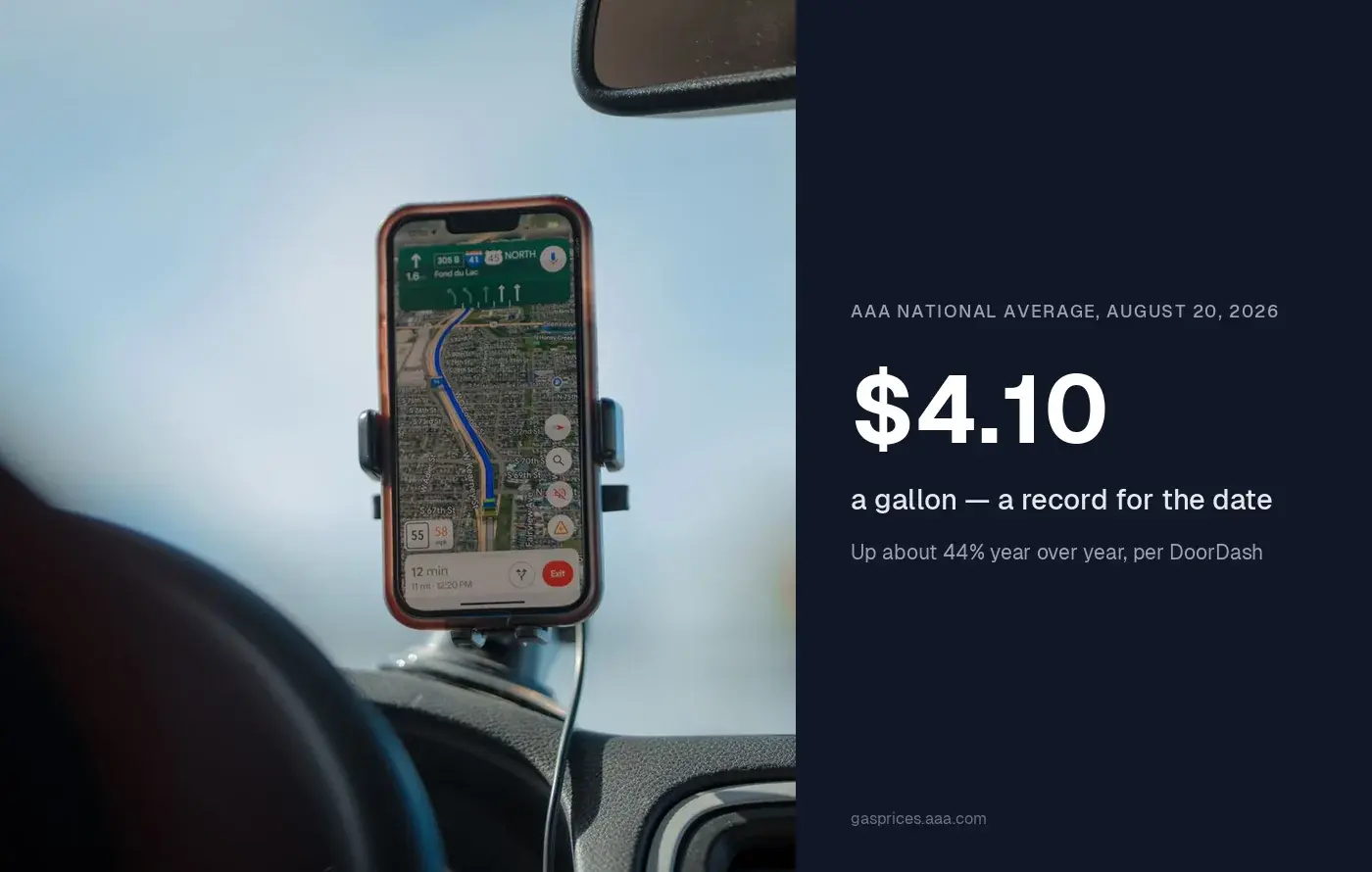
Gas is the biggest cost of dashing, and 2026 made it worse. After the Iran–US conflict pushed crude up in March, DoorDash itself said fuel costs had surged about 44% year over year, with the national average just under $3.96 a gallon. It hasn't recovered: AAA put the national average at $4.10 on August 20, 2026 — the highest ever recorded on that date — with crude holding around $80 amid continued instability in the Strait of Hormuz.
Most "save gas while DoorDashing" advice — including DoorDash's own tips page — starts with tire pressure and gas apps. Those are real, but they're the smallest levers on the list. The ranking below starts from the one that actually moves your weekly bill: the miles you don't drive.
The six levers, ranked by weekly dollars (400 mi/week, 25 MPG, $4.10/gal)
- 1Stop driving unpaid miles: decline offers under your per-mile floor and stay in one zone. Cutting 15% of your miles saves ~$10/week in gas — and ~$46/week in total vehicle cost at the IRS's 76¢/mile figure.
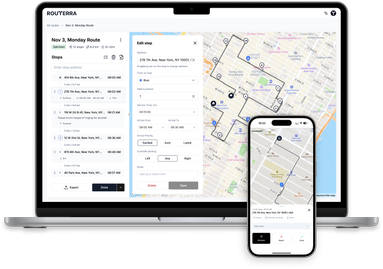
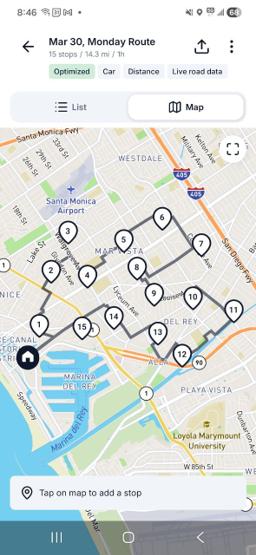
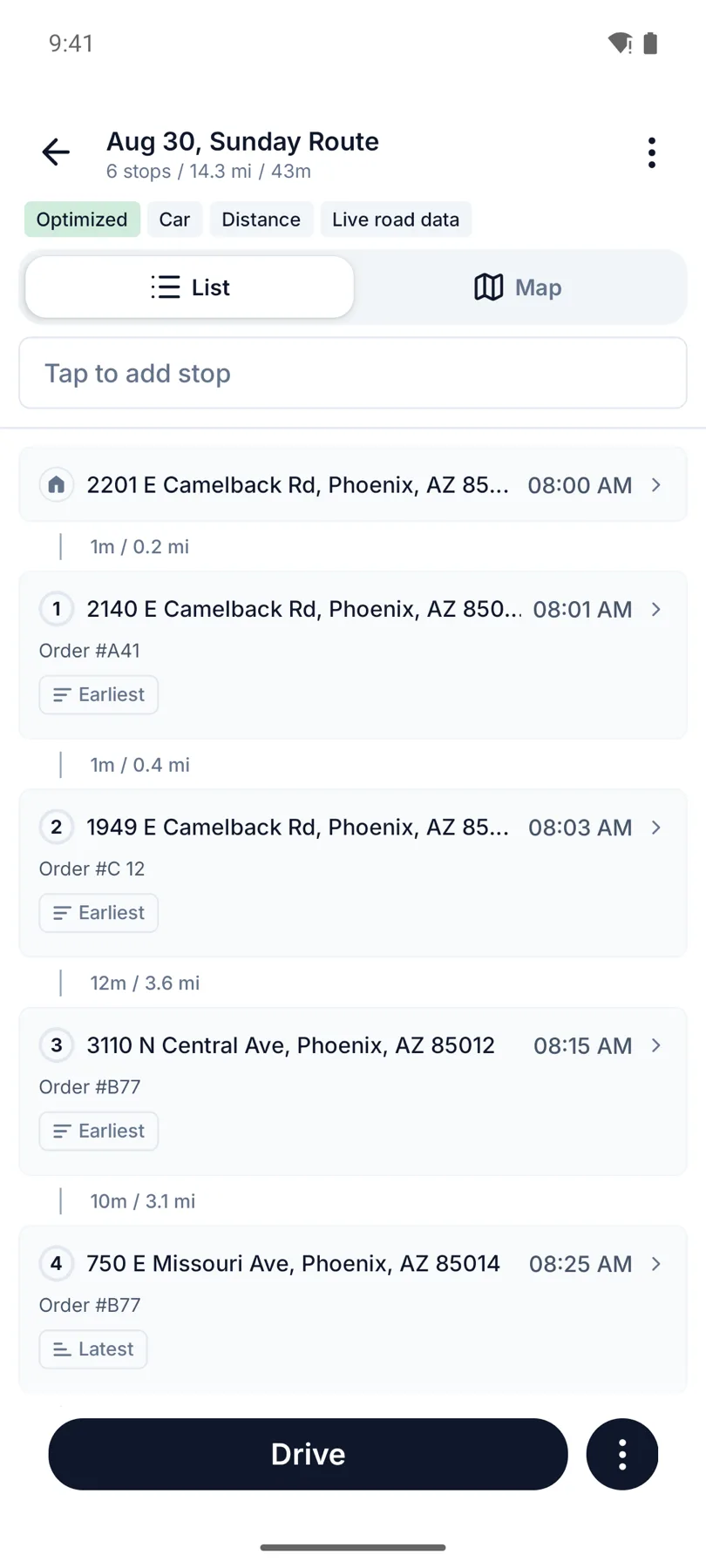
- 2Optimize stacked orders: when you carry 2–4 orders, sequencing the stops yourself typically cuts those miles 10–20%.
- 3Dash in your cheapest car: a 50 MPG hybrid instead of a 25 MPG sedan halves the bill — about $33/week.
- 4Smooth out your driving: aggressive acceleration and braking costs 15–30% of highway MPG per fueleconomy.gov; fixing it is worth roughly $7–10/week.
- 5Buy cheaper gas: price apps and warehouse clubs saving you 30¢/gal are worth about $5/week at 16 gallons.
- 6Log every mile for taxes: the IRS mileage rate is 76¢/mile for July–December 2026 — on 400 mi/week that's a ~$300/week deduction.
DoorDash's own gas relief payments ended April 29, 2026, and the Crimson card's 10% gas cash back ended June 30 — so every dollar above now has to come from your side of the windshield.
What does gas actually cost you per week of dashing?
Two anchors from outside sources. A Human Rights Watch survey published in May 2025 found gig workers in Texas spent an average of $100 per week on fuel — $2.76 for every hour worked, and that was at roughly $3/gallon Texas prices. And DoorDash's 2026 relief program treated 250+ miles a week on deliveries as its top tier, which tells you what the platform considers a heavy week (repositioning and driving to your zone come on top of that).
Here's the weekly arithmetic at AAA's $4.10 August average:
Weekly fuel cost by miles driven and vehicle MPG
200 miles/week
- 20 MPG$41
- 25 MPG$33
- 35 MPG$23
- 50 MPG$16
300 miles/week
- 20 MPG$62
- 25 MPG$49
- 35 MPG$35
- 50 MPG$25
400 miles/week
- 20 MPG$82
- 25 MPG$66
- 35 MPG$47
- 50 MPG$33
500 miles/week
- 20 MPG$103
- 25 MPG$82
- 35 MPG$59
- 50 MPG$41
| Miles per week | 20 MPG | 25 MPG | 35 MPG | 50 MPG |
|---|---|---|---|---|
| 200 | $41 | $33 | $23 | $16 |
| 300 | $62 | $49 | $35 | $25 |
| 400 | $82 | $66 | $47 | $33 |
| 500 | $103 | $82 | $59 | $41 |
The examples below use the 400-mile, 25 MPG column — $66 a week, roughly $285 a month — as the "typical committed Dasher." Scale to your own row.
One number to keep in view the whole way through: at $4.10 and 25 MPG, a mile costs you 16.4¢ in gas — but the IRS prices the full cost of a business mile (gas plus wear, tires, depreciation, insurance) at 76¢ for the second half of 2026, per the IRS mid-year adjustment. Every gas-saving trick below saves you the 16 cents. Not driving the mile saves you all 76.
Why driving fewer miles beats every other gas tip
This is the lever the generic listicles skip, because it's about how you dash, not what you buy.
Set a per-mile floor and decline below it
Every offer shows payout and distance. Divide one by the other before you accept. An offer paying $6 for a 9-mile round trip is 67¢/mile — below the IRS's own 76¢/mile cost estimate, meaning the trip likely costs your car more than it pays. At $4/gallon those offers aren't low-paying; they're negative-paying. Declining them doesn't just protect your hourly rate — it deletes miles, and every deleted mile is 16¢ of gas you never buy.
Stay in one zone instead of chasing across town
Cross-town repositioning is the classic hidden mileage: 8 unpaid miles to a "hotter" area, then 8 back when it isn't. Pick a zone with restaurant density, work its loop, and let slow half-hours stay slow. Drivers who track their miles consistently find the chasing was costing more in fuel than the extra orders returned.
If you multi-app, do it geographically
Running DoorDash alongside Uber Eats or Grubhub only saves gas if the apps share the same hot zone. Two apps with hot spots six miles apart means you burn the savings shuttling between them. Choose your second app by map overlap, not by payout screenshots. If Walmart Spark is one of your apps, our Spark driver tips apply the same dollars-per-mile test to its offers.
Optimize the order of stacked orders
On a single delivery your path is dictated. But the moment you're carrying a stack — two, three, four orders across pickup and drop-off — the sequence is yours, and the app's suggested order is not built to minimize your miles. Sequencing stops well typically cuts total miles on a multi-stop run by 10–20%, which at delivery-zone speeds is pure gas. Batched Dashers, and anyone who also runs Amazon Flex blocks or catering routes, feel this every shift.
Does the car matter more than how you drive it?
In pure dollars, yes — vehicle choice is the single biggest line item after miles. Halving your consumption (25 MPG sedan → 50 MPG used hybrid) at 400 miles a week saves about $33 every week, roughly $1,700 a year, which is why the Prius is the unofficial gig-economy company car. Nobody should finance a new car to deliver burritos; but if your household owns two vehicles, dashing in the more efficient one is the same math for free.
If you're stuck with the thirsty car, the driving-style lever is next. Per fueleconomy.gov, aggressive driving — hard acceleration, hard braking, speeding — lowers gas mileage by 15–30% at highway speeds and 10–40% in stop-and-go traffic, which is exactly the traffic delivery happens in. Delivery driving is sprint-and-stop by nature, so the ceiling matters: smoothing out a lead-footed style is realistically worth $7–10 a week in our example. Idling in pickup lots with the AC blasting adds to it; parking and walking in beats crawling the drive-thru queue.
The classic maintenance tip is real but small: underinflated tires cost about 0.2% of MPG per 1 PSI below spec (also fueleconomy.gov). Fixing tires 8 PSI low buys back ~1.6% — about $1 a week here. Do it for safety and tire life; just don't expect it to move the bill.
Where should you buy the gas you still need?
Ranked last because it's capped: you can only discount the 16 gallons you actually burn.
- Price apps (GasBuddy, Upside, AAA's own app) show real-time spreads between stations. If the cheapest station along your zone runs 30¢ under the one you default to, that's about $5 a week at 16 gallons — worthwhile, as long as you fuel where you already drive rather than adding a detour that eats the difference.
- Warehouse club gas (Costco, Sam's Club) usually undercuts nearby stations; the same detour rule applies, and the membership fee needs to clear on your grocery bill, not your gas bill.
- Cash-back cards on gas stack on top of everything above and require zero behavior change.
Does DoorDash itself help with gas in 2026?
It did, briefly. In March 2026, DoorDash announced weekly relief payments for Dashers driving 125+ miles a week on deliveries — $5 at 125 miles, $10 at 200, $15 at 250 — plus 10% gas cash back on its Crimson debit card, an echo of its 2022 Ukraine-era program. The company expected to spend about $100 million on gas relief in the first half of 2026.
But the final weekly payments went out April 29, 2026, and the Crimson 10% cash back was extended only through June 30, 2026. As of late August 2026, no successor program has been announced — so treat any platform relief as a bonus, never a plan.
The durable platform-adjacent lever is taxes. As an independent contractor you deduct either actual vehicle expenses or the IRS standard mileage rate — 72.5¢/mile for January–June 2026, raised mid-year to 76¢/mile for July–December explicitly because of fuel prices. On 400 dashing miles a week that's a ~$300 weekly deduction, but only for miles you logged. A mileage tracker (or the spreadsheet habit) pays for itself many times over.
The carbon math: fewer miles is the only lever you control
There's a side effect worth naming. Per the EPA, burning one gallon of gasoline emits about 8,887 grams — call it 8.9 kg — of CO₂. Our 16-gallon example week puts out roughly 142 kg of CO₂; over a year of dashing that's north of 7 metric tons, well above the ~4.6 tons the EPA attributes to a typical passenger vehicle.
A courier can't choose the grid mix or the refinery. The only carbon lever you actually hold is the same one that tops the money list: miles. Cut 15% of them and you cut ~21 kg of CO₂ a week — over a ton a year — with the identical actions that save the $10. Cheaper gas changes the bill; fewer miles is the only line on this page that changes both numbers at once.
The one-week test
Pick a normal dashing week and change nothing but three things: decline everything under your per-mile floor, stay in one zone, and optimize any stack you carry. Log your miles at the start and end. If you're like most drivers who run this experiment, the mileage drops double digits, the earnings barely move — and the gas gauge finally slows down.