How Much Do DoorDash Drivers Spend on Gas? The Real 2026 Math
In this article
Ask ten Dashers what they spend on gas and you get ten numbers, because the honest answer depends on exactly three inputs: how many miles you drive, what your car does per gallon, and what a gallon costs this month. This page pins down all three from published data and shows the multiplication — so the numbers below are ones you can check, not vibes.
The short answer
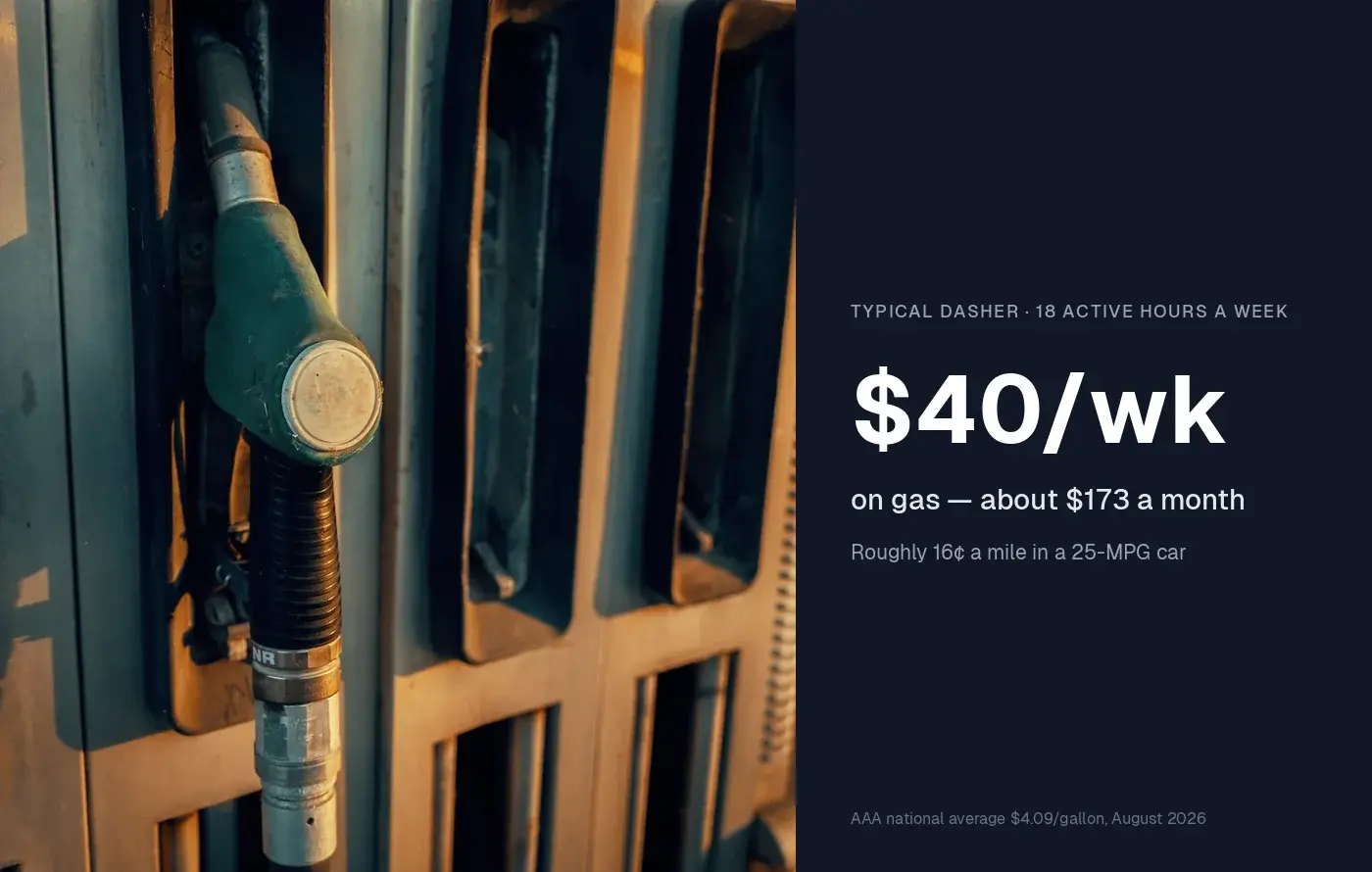
- 1A typical Dasher (about 18 active hours a week, 25-MPG car) spends about $40 a week on gas at August 2026 prices — roughly $173 a month, $2,100 a year.
- 2A full-time Dasher (40 active hours) spends about $88 a week — about $4,600 a year. In a 20-MPG SUV that rises to about $110 a week.
- 3Per mile, gas costs about 16 cents in a 25-MPG car at the August 2026 average of $4.09/gallon (AAA) — up from about 13 cents a year earlier.
- 4Gas is only about a fifth to a quarter of the true cost of each mile: the IRS puts total vehicle cost at 76 cents per mile for late 2026.
A 2025 Human Rights Watch survey of Texas gig workers found about $100 a week on fuel — when gas was still around $3 a gallon. The 2026 price spike made every one of these numbers bigger.
The inputs, before the math
Every derived figure on this page comes from these five published numbers:
| Input | Value | Source |
|---|---|---|
| National average price, regular gas | $4.09/gallon | AAA national average, August 28, 2026 |
| Dasher gross earnings per active hour | $12.43 | Gridwise, 2025 driver data |
| Dasher earnings per mile driven | $0.92 | Gridwise, 2025 driver data |
| Average Dasher weekly hours | 18.1 hours | Gridwise, 2024 driver data |
| Typical fuel economy | 25 MPG | EPA: new US light-duty vehicles averaged 25.4 MPG (MY2024) |
From the first two Gridwise figures we can derive the number nobody publishes directly — miles per active hour: $12.43 per hour ÷ $0.92 per mile ≈ 13.5 delivery miles per active hour. One important honesty note: "active" hours count time on an order, and delivery miles exclude repositioning between offers. Real odometer miles run higher, so treat everything below as a floor, not a ceiling.
What happened to gas prices: August 2025 → August 2026
The reason this question spiked in 2026: gas got dramatically more expensive, fast. After the US and Israel struck Iran on February 28, 2026 and Iran began restricting traffic through the Strait of Hormuz, the national average climbed more than a dollar in about a month.
US national average, regular gasoline
- Feb 26, 2026 — Two days before the February 28 strikes on Iran
- Mar 31 — First close above $4 since 2022
- May 21 — 2026 peak
| Date | National average (regular) | Note |
|---|---|---|
| August 2025 | ~$3.14 | Year-ago baseline (AAA) |
| February 26, 2026 | $2.98 | Two days before the conflict began (AAA) |
| March 31, 2026 | $4.02 | First close above $4 since 2022 (CNBC/AAA) |
| May 21, 2026 | $4.55 | 2026 peak (AAA) |
| July 2026 | ~$3.93 | Monthly average (AAA) |
| August 28, 2026 | $4.09 | Price used in this article's math (AAA) |
So a Dasher's per-gallon cost is up roughly 30% year over year. All prices on this page were checked on August 30, 2026 — if you're reading later, re-check AAA before budgeting from this.
The math: per mile, per hour, per week, per year
Cost per mile is just pump price ÷ MPG. At $4.09 per gallon in a 25-MPG car: $4.09 ÷ 25 = 16.4 cents per mile. Per active hour: 13.5 miles × 16.4¢ ≈ $2.21 of gas per active hour — about 18% of the $12.43 gross hourly figure.
Scale that by schedule (25-MPG car, $4.09/gallon, 13.5 miles per active hour, 4.33 weeks per month):
Weekly gas spend by schedule
Light part-time · 15 active hrs/week
- 25-MPG car$33
- 20-MPG SUV$41
Typical Dasher · 18 hrs
- 25-MPG car$40
- 20-MPG SUV$50
Heavy part-time · 25 hrs
- 25-MPG car$55
- 20-MPG SUV$69
Full-time · 40 hrs
- 25-MPG car$88
- 20-MPG SUV$110
| Schedule | Active hrs/week | Miles/week | Gallons | Per week | Per month | Per year |
|---|---|---|---|---|---|---|
| Light part-time | 15 | 203 | 8.1 | $33 | $143 | $1,725 |
| Typical Dasher | 18 | 244 | 9.8 | $40 | $173 | $2,080 |
| Heavy part-time | 25 | 338 | 13.5 | $55 | $239 | $2,870 |
| Full-time | 40 | 540 | 21.6 | $88 | $383 | $4,595 |
Your car moves these numbers more than your market does
Same full-time schedule (540 delivery miles a week), three cars:
| Vehicle | MPG | Gas per mile | Per week | Per year |
|---|---|---|---|---|
| Hybrid (e.g., Prius-class) | 50 | 8.2¢ | $44 | $2,297 |
| Typical sedan | 25 | 16.4¢ | $88 | $4,595 |
| SUV / pickup | 20 | 20.5¢ | $110 | $5,742 |
A full-time Dasher who trades a 20-MPG SUV for a 50-MPG hybrid keeps about $66 a week — roughly $3,400 a year — with zero change in driving.
Why some surveys say $100 a week
Human Rights Watch's May 2025 report The Gig Trap surveyed 127 platform workers in Texas and found they spent about $100 a week on fuel — $2.76 for every hour worked — when Texas gas was around $3 a gallon. That's well above our "typical Dasher" $40, and the gap is explained, not contradictory: the HRW sample included rideshare drivers (far more miles per hour than food delivery), skewed toward longer hours, and counted all work miles — including the repositioning miles Gridwise's delivery-only figure leaves out.
So the defensible 2026 range is: $33–$55 a week for part-time food delivery, $88–$110 for full-time — and $100+ for anyone stacking long hours, dead miles, or a thirsty vehicle. If your own number lands above the table, your extra miles are almost certainly repositioning, not deliveries.
Gas is only about a quarter of what each mile really costs
Here's the number that should worry you more than the pump price. The IRS standard mileage rate — its estimate of the total cost of operating a vehicle, including gas, depreciation, maintenance, insurance and tires — is 72.5 cents per mile for January–June 2026, raised to 76 cents per mile for July–December 2026, with the IRS explicitly citing fuel costs for the mid-year increase.
Courier businesses run into the same per-mile math at fleet scale — see what it costs to run a delivery route and delivery cost per stop benchmarks.
Gas as a share of the true cost of a mile
- Gas
- Depreciation, maintenance, insurance, tires
| Vehicle | Gas per mile | IRS total per mile (H2 2026) | Gas share of true cost |
|---|---|---|---|
| 50-MPG hybrid | 8.2¢ | 76¢ | ~11% |
| 25-MPG sedan | 16.4¢ | 76¢ | ~22% |
| 20-MPG SUV | 20.5¢ | 76¢ | ~27% |
Run that against the full-time schedule: 540 miles a week × 76¢ = $410 a week of total vehicle cost, of which gas is only $88–$110. For every dollar you feel at the pump, roughly three more leave through depreciation, tires, oil and insurance — which is exactly why the mileage deduction usually beats saving gas receipts at tax time.
What DoorDash actually did about it: the 2026 relief program
DoorDash doesn't pay for gas — Dashers are contractors — but the 2026 spike forced a response. On March 23, 2026, with the national average nearing $4, DoorDash announced a two-part relief program (per TechCrunch and DoorDash's own newsroom):
- Weekly payments of $5–$15 for Dashers logging 125+ delivery miles a week ($5 tier) up to 250+ miles ($15 tier), which ran through April 26, 2026.
- 10% cash back on gas for Dashers paying with the DoorDash Crimson debit card, capped at $700 a month — later extended through June 30, 2026.
DoorDash pegged the combined savings at $1.40–$1.90 per gallon for eligible drivers, and reporting in May 2026 put the program's total cost at about $100 million for the first half of 2026. Both halves have now ended — so as of August 2026, every gallon is back on the driver.
How to actually cut this number
You can't control the pump price, and swapping cars is a big move. The lever you control this week is miles — every input in the tables above scales linearly with them.
- Stay in one zone. Chasing a $2 peak-pay banner two zones over burns unpaid miles at 16–20¢ each before you accept a single order.
- Decline orders that pay less than the round trip costs. A $5 offer that's 12 miles out-and-back nets $3 after gas in an SUV — before the other 55¢/mile of vehicle cost.
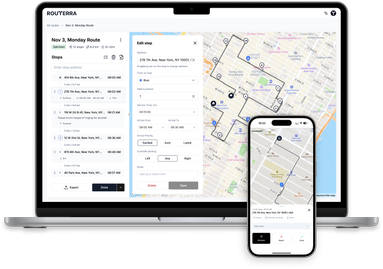
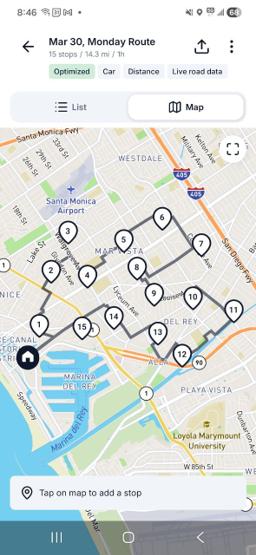
- Plan multi-stop runs instead of driving them in order received. For batched offers, catering runs, or any side work where you control the stop order, sequencing stops properly routinely cuts total miles by double digits — miles that come straight off the tables above.
For the full playbook — zone strategy, gas apps, the hybrid math over a full year — see How to Save Gas Driving for DoorDash.
FAQ
How much do DoorDash drivers spend on gas per week? Between about $33 (15 active hours, 25-MPG car) and $110 (40 hours, 20-MPG SUV) at August 2026 prices. The typical Dasher, at 18 active hours a week, spends about $40.
How much gas does DoorDash use per mile? About 16 cents per mile in a 25-MPG car at $4.09 a gallon; 8 cents in a 50-MPG hybrid; 20 cents in a 20-MPG SUV.
What about per year? Roughly $2,100 for a typical Dasher and $4,600 for a full-timer in a 25-MPG car — delivery miles only, so real totals run higher.
Does DoorDash reimburse gas? No. Its 2026 relief program — $5–$15 weekly payments plus 10% gas cash back, about $100 million total — was temporary and ended by June 30, 2026.
Is gas my biggest driving cost? No. At 16 cents of the IRS's 76-cent-per-mile total, gas is about 22% of what each mile really costs you. Track your miles: the mileage deduction covers the rest.