How Primo Puddings Scaled from Online Orders to Retail Distribution with Smart Route Planning
In this article
The challenge: scaling refrigerated deliveries without losing quality
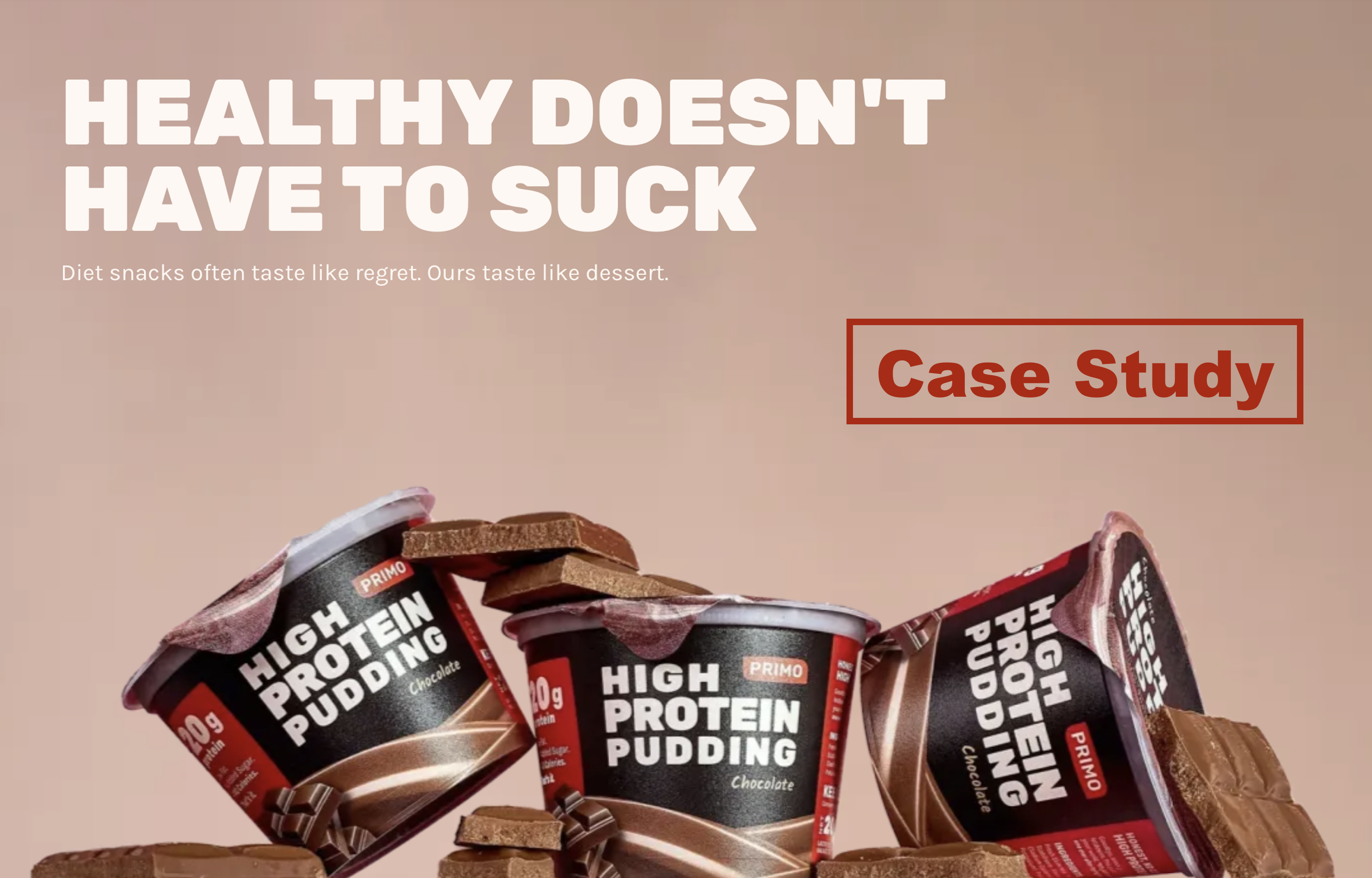
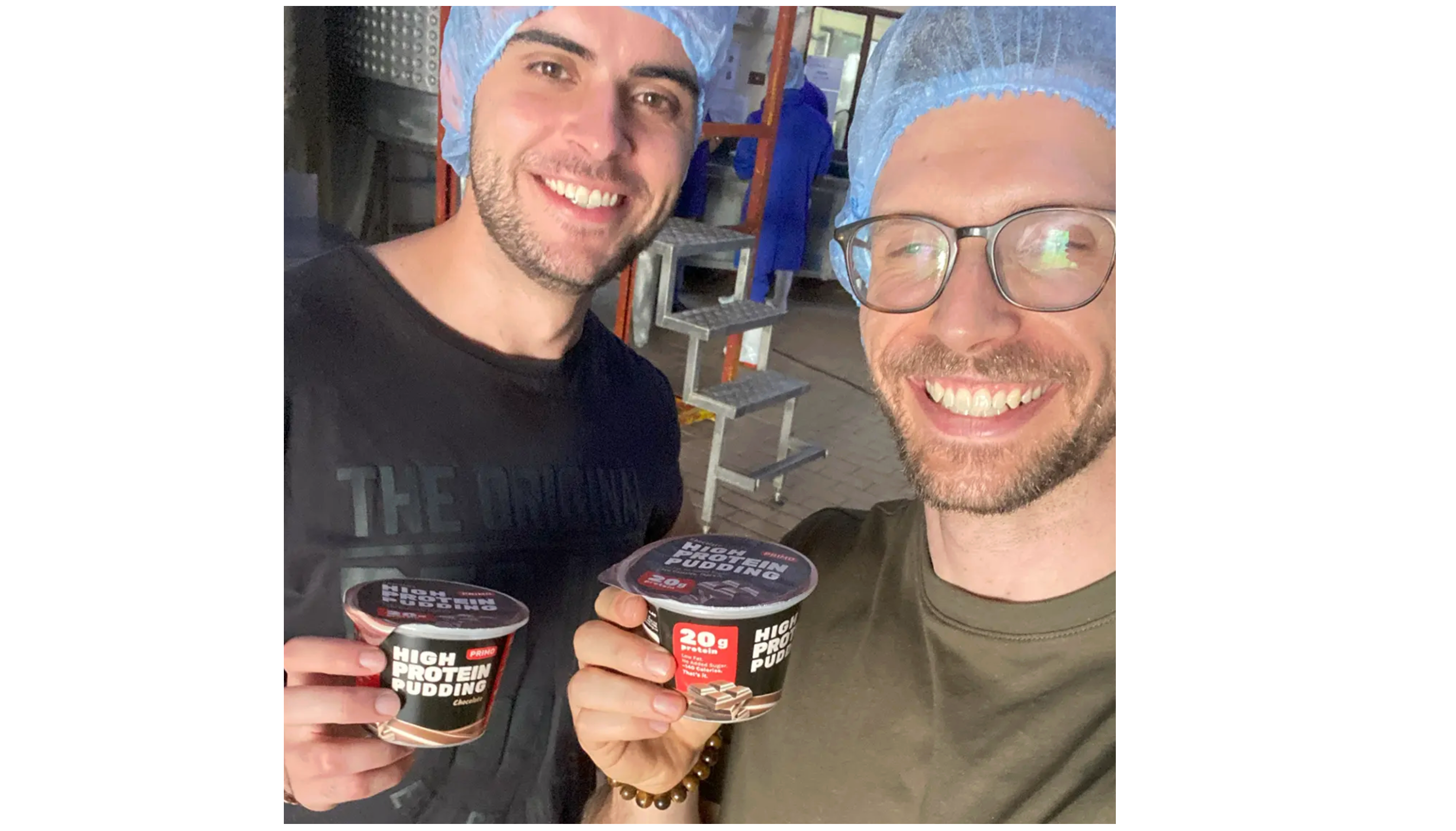
Primo Puddings started with a simple mission: create the best high-protein puddings in South Africa. Founded by two cousins in Johannesburg, Primo produces decadent, low-calorie desserts with 20g of protein per cup—targeting health-conscious consumers who refuse to compromise on taste. But as any food startup founder knows, making great products is only half the battle. Getting them into customers' hands is where things get complicated.
Initially, Primo handled direct-to-consumer online deliveries, bringing their puddings straight to doorsteps across Johannesburg and Pretoria. But as demand grew, they made a strategic pivot: expand into retail distribution through SPAR stores and independent retailers like Pantry and Jacksons. This meant transitioning from individual customer deliveries to managing multi-store delivery routes across Gauteng—all while maintaining strict cold-chain requirements (their puddings must stay refrigerated at 0–5°C throughout transit).
Tiago, one of the co-founders, described their early logistics nightmare: "We were always tweaking the order of deliveries and trying to make sure everyone received their order on time. It was manual, confusing and took up a lot of time." With limited staff and growing retail partnerships, they were spending 3+ hours each week just planning routes, cross-referencing delivery windows, and juggling vehicle capacity. Every minute spent on logistics was a minute not spent on product development, marketing, or signing new stockists.
Finding the right solution: why Routerra worked
After testing several route planning platforms (including some that promised "enterprise-grade" features but came with enterprise-grade complexity), Primo's team discovered Routerra. The difference was immediate.
"I honestly haven't come across another platform easier to implement or more intuitive."
Tiago, Co-founder, Primo Puddings · Read on G2 →
Fast setup for recurring retail routes
Within days, Primo had imported their complete stockist list into Routerra—SPAR locations in Johannesburg North, Pretoria East, independent retailers, and future expansion targets. Each store got tagged with delivery preferences: some required morning deliveries before 10 AM to stock shelves for lunch crowds, while others preferred afternoon drop-offs. Using Routerra's time window feature, Primo could guarantee each retailer received their puddings within their preferred window without manual schedule juggling.
Smart optimization for temperature-sensitive products
For refrigerated products like Primo's puddings, every minute in transit matters. The longer products spend in cooler bags, the greater the risk to quality and shelf life. Routerra's route optimizer became essential here—by sequencing stops efficiently, Primo reduced average delivery time per route by 25%, meaning puddings reached stores faster and stayed fresher. The team could also add delivery notes for each stop (e.g., "Use rear entrance," "Call on arrival," "Keep refrigerated immediately") to ensure smooth handoffs.
The features that made the difference
What sealed the deal for Primo were the small, thoughtful features that saved massive time:
- Set first/last stops: Primo's production facility became the automatic start point, and they could set their cold-storage return location as the final stop
- Recurring route templates: Instead of rebuilding routes weekly, they saved templates for regular delivery days and adjusted them as new stockists came online
- Multi-vehicle routing: As Primo scaled from one delivery vehicle to two (and soon three), Routerra automatically split large delivery lists into balanced routes
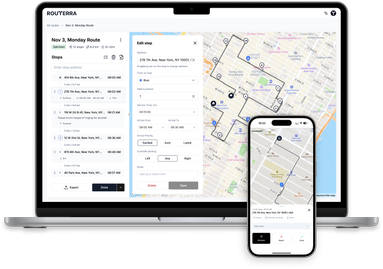
- Mobile-friendly: Drivers could access routes on their phones, check off deliveries in real-time, and navigate via Google Maps or Waze without switching apps
Tiago summed it up perfectly: Routerra "just works" and felt built by people who understand real‑world delivery challenges, not just theory.
Measurable results: time saved, growth enabled
The impact of switching to Routerra showed up across Primo's entire operation—from the office to the road.
90% reduction in planning time
Before Routerra, route planning consumed 3+ hours per week—cross-referencing spreadsheets, manually entering addresses into Google Maps, splitting deliveries between drivers, and second-guessing the order. After implementing Routerra, that dropped to under 15 minutes. The team simply uploaded their weekly stockist list, clicked optimize, and reviewed the route. That's over 12 hours saved per month—time redirected to signing new retail partners, developing new flavors, and building their brand.
Faster, more reliable deliveries
Optimized routes meant Primo's drivers spent 25% less time on the road per delivery run. For refrigerated products with a 4-week shelf life, this efficiency translated directly to fresher products on shelves and fewer temperature excursions during transit. Retailers noticed the consistency—deliveries arrived within promised windows, communication improved, and out-of-stock situations decreased.
Tiago noted that Routerra helped them stay consistent with deliveries and made routing "simple and efficient". The mobile app's progress tracking meant the team always knew which stores had been serviced and could proactively reach out to any retailer experiencing delays.
Enabled retail expansion
Perhaps most importantly, Routerra removed logistics as a growth bottleneck. When Primo launched, they served a handful of stores. Within months of implementing Routerra, they scaled to 30+ retail locations across Johannesburg and Pretoria without hiring additional logistics staff. The platform handled the complexity—Primo just added new addresses, and the optimizer figured out the most efficient routes.
This scalability gave Tiago's team confidence to pursue aggressive retail expansion: "We can focus on getting into more stores instead of stressing about how we'll deliver to them all."
Support that actually supports
Beyond the software, Tiago praised Routerra's customer support as "one of the best I've come across—quick to reply and open to feedback". When Primo suggested features specific to food distribution (like adding temperature monitoring notes or setting recurring delivery schedules), the Routerra team listened and incorporated feedback. For a small startup, knowing their route planner would evolve with them was invaluable.
Key takeaways for food delivery and retail distribution startups
Primo Puddings' story offers valuable lessons for any food business transitioning from direct sales to retail distribution:
1. Don't let logistics slow down growth
Many food startups hesitate to expand retail partnerships because they fear the logistics burden. Primo proved that with the right tools, you can scale distribution without scaling headcount. Route optimization removed the bottleneck—enabling them to go from a few stores to 30+ locations with the same small team.
2. Intuitive tools drive adoption
In a startup, everyone wears multiple hats. Primo needed software that anyone on the team could learn in an hour, not days of training. Routerra's interface meant their marketing person could plan routes just as easily as their operations lead—no specialized knowledge required. "A platform you can adopt in a day is worth more than one with endless menus," as Tiago put it.
3. Small features solve big problems
Features like setting a first/last stop or adding delivery notes might seem minor, but they prevented real-world mistakes that could cost customers. For refrigerated products, forgetting to note a delivery time window or mixing up the order of stops can mean spoiled inventory and unhappy retailers. These thoughtful details saved Primo countless headaches.
4. Efficiency protects product quality
For temperature-sensitive goods, time is the enemy. Every minute products spend in transit increases risk. By reducing delivery time by 25%, Routerra didn't just save fuel and labor—it helped Primo maintain product quality and extend effective shelf life for retail partners. This directly translated to better retailer satisfaction and fewer returns.
5. Automation = strategic focus
The 12+ hours per month Primo saved on route planning went straight into activities that actually grow the business: pitching new stockists, attending food expos, developing new flavors, and creating marketing content. As Tiago's team put it, Routerra became "a necessity" because it freed them to work on the business instead of in the logistics.
Conclusion: logistics shouldn't limit ambition
Primo Puddings demonstrates that small food businesses can compete at scale—you don't need enterprise logistics teams or massive delivery fleets to distribute across a city or region. Smart software, used effectively, levels the playing field.
If you're a food startup founder spending hours each week on route planning, stressed about cold-chain logistics, or hesitating to onboard more retail partners because of delivery complexity—Primo's story shows there's a better way. Modern route optimization tools like Routerra handle the complexity so you can focus on what you do best: creating exceptional products and building relationships with customers and retailers.
Ready to transform your food delivery logistics? Try Routerra free today and see how much time (and stress) you can save—just like Primo Puddings did.