Route Planning for Small Delivery Businesses – How to Save Time & Fuel
Why small businesses need route optimization
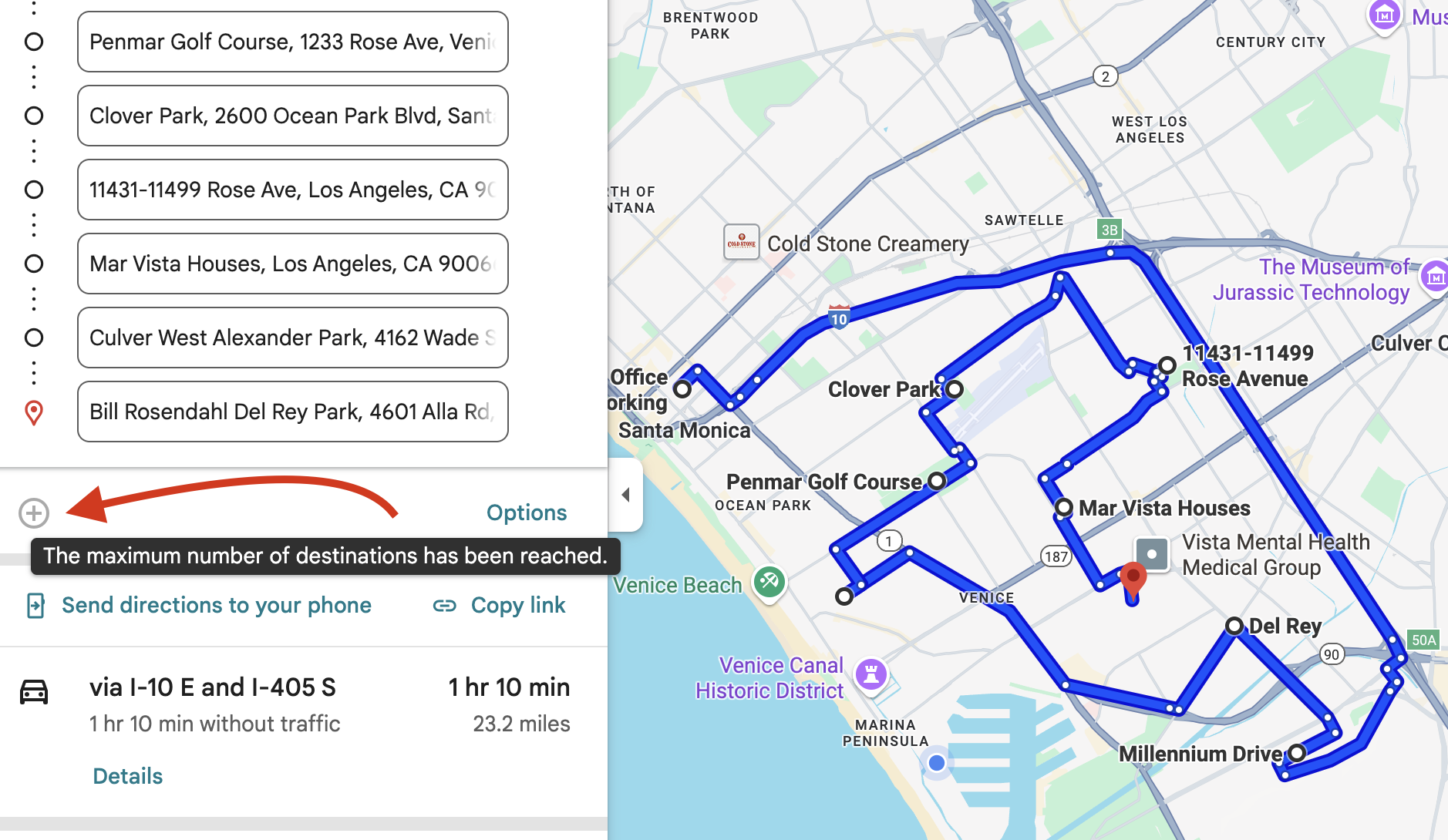
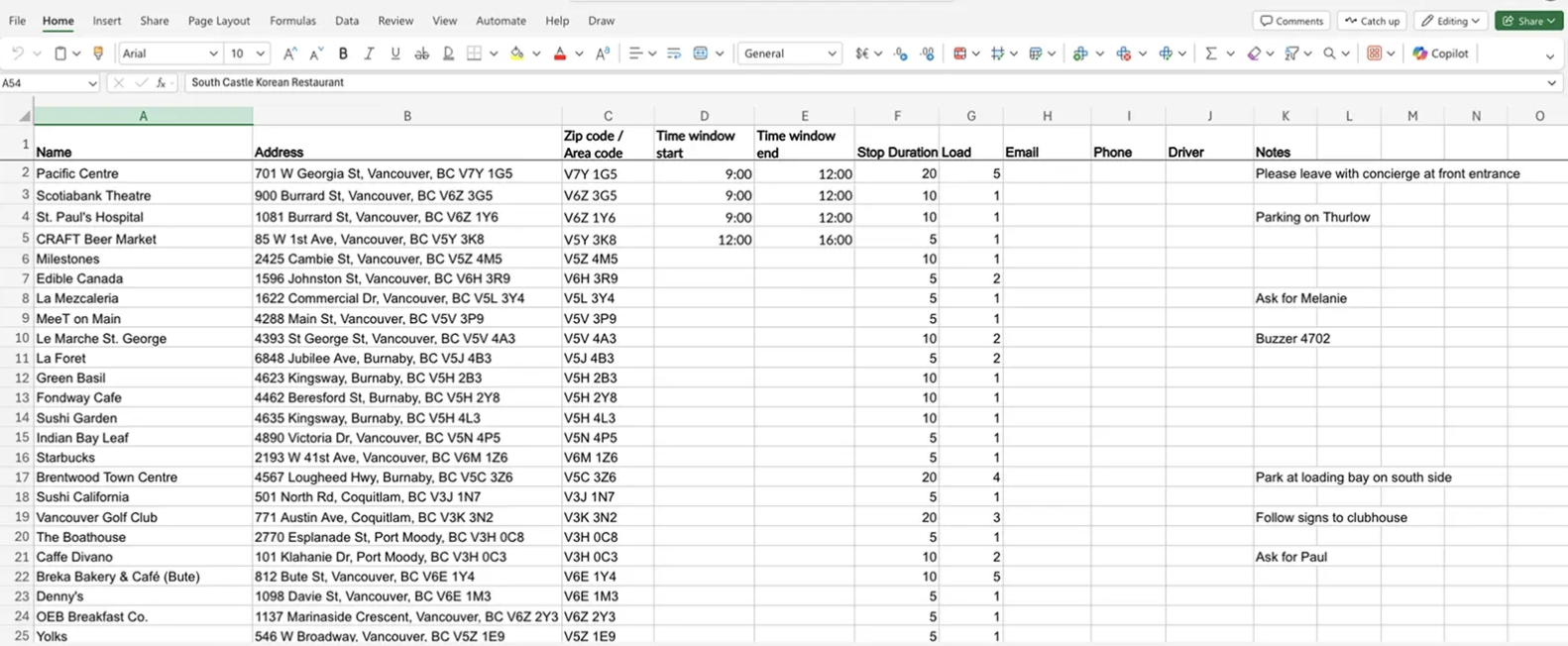
Many local businesses—from florists and bakeries to pharmacies and home services—still plan delivery routes by hand. A survey of more than 11,000 delivery businesses found that 72 % of them create routes manually using spreadsheets or maps, even though it becomes unmanageable beyond 30–40 stops. Manual planning wastes precious hours and often leads to backtracking, missed deliveries and frustrated customers. When margins are tight, every mile and minute counts.
The hidden costs of manual planning
Route planning isn't just about drawing lines on a map; it's about balancing time, distance, customer windows and driver availability. Doing this manually introduces hidden costs:
- Inefficient routes: Humans struggle to sequence dozens of stops optimally. Studies show people are 20–40 % less efficient than AI algorithms at solving multi‑stop routing problems.
- Fuel waste and extra mileage: Manual routes often include detours and backtracking. Fuel can account for 25–35 % of a delivery business's expenses, so inefficient routing burns cash.
- Time lost on planning: Owners or dispatchers might spend hours each week reorganizing stops instead of focusing on their core business.
Switching to algorithmic optimization can reduce drive time and fuel costs by 20–30 % and cut overall transport costs by 10–30 %. Those savings drop straight to the bottom line.
How optimized routing saves time and fuel
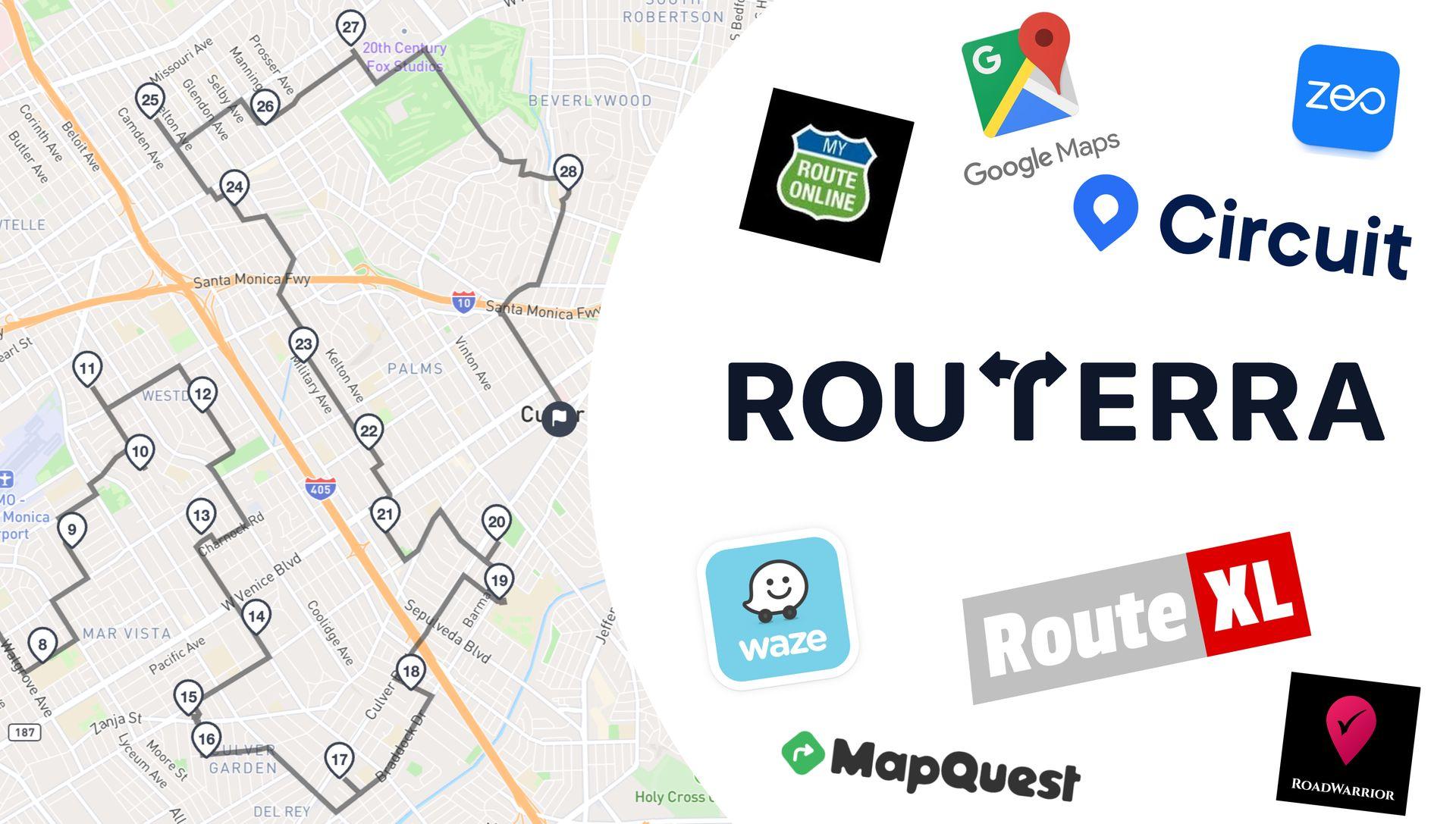
Route optimization tools analyze all your stops, distances and constraints to produce the most efficient sequence. Advanced software can even split a large list into multiple balanced routes for different vehicles. Compared with manual planning, optimized routes are about 20 % shorter, meaning less driving, fewer emissions and more deliveries per hour. That translates into noticeable fuel savings and less wear and tear on vehicles.
Key features small businesses should look for
Not all route planners are created equal. When evaluating solutions, look for features that address the unique needs of a small delivery operation:
Multi‑vehicle support
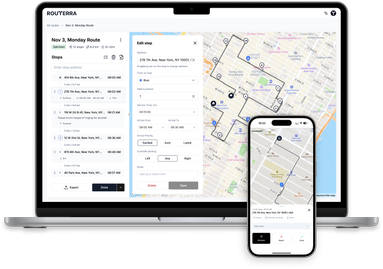
As your business grows, you may add vehicles or drivers. A planner should automatically split a day's stops into balanced routes and support constraints like vehicle size or capacity. Routerra allows you to divide large routes into multiple sub‑routes and assign them to different drivers, preventing overloads and ensuring each route is manageable.
Time windows and priorities
Customers often expect deliveries within a specific window—morning, afternoon or "by noon." Manual planning can't easily juggle these promises. Tools like Routerra let you set arrival windows and priorities (earliest, latest or auto). The optimizer then schedules stops so high‑priority and time‑sensitive orders are completed on time.
Easy data import and AI features
Getting orders into the planner shouldn't be a chore. Routerra supports bulk paste, spreadsheet upload and even AI‑powered image import that extracts addresses from photos of handwritten lists or printed manifests. This eliminates typing errors and speeds up the setup. You can also add notes, service times, curbside preferences and more for each stop.
Mobile execution and real‑time tracking
Planning is only half the battle. Drivers need clear, turn‑by‑turn navigation and the ability to mark stops as delivered or skipped. Routerra's mobile app integrates with Google Maps, Apple Maps and Waze for navigation. Drivers can check in, add notes and see their progress bar update in real time. Dispatchers (or business owners) can follow the route's progress and make adjustments if a customer cancels or adds a delivery.
Real‑world example: a local bakery
Imagine a small bakery that delivers fresh bread and pastries to 15 cafés and grocery stores each morning. The owner used to spend an hour arranging the stops and would often drive back and forth across town to meet promised times. By switching to automated routing, the bakery's daily delivery distance dropped from 50 km to about 40 km, saving 20 % in driving time and fuel. Planning now takes just minutes, and the driver finishes earlier, freeing up time for more baking or customer engagement.
Conclusion: focus on growth, not spreadsheets
Small businesses shouldn't have to wrestle with spreadsheets and maps to get their deliveries out the door. Route optimization software turns hours of guesswork into seconds of certainty. With features like multi‑vehicle routing, time‑window management, AI‑powered imports and mobile execution, Routerra delivers enterprise‑grade optimization at a price accessible to mom‑and‑pop shops.
Ready to stop guessing and start optimizing? Try Routerra free today and see how much time and fuel your small business can save.